


When I was young and watched Bond with my grandmother, I would also watch horror movies with her. Modern (well, then-modern) movies like Ghost Ship, classics like Night of the Living Dead, and everything in between. The downside of this whole deal was that I hated watching horror. Not because I was scared, but because people make the dumbest decisions every time. There was one piece of horror that always grabbed my attention: video games, and specifically: the Resident Evil games. At three years old, I would be kicked out of the playroom in my house so the older kids could play Resident Evil on the family Nintendo GameCube.
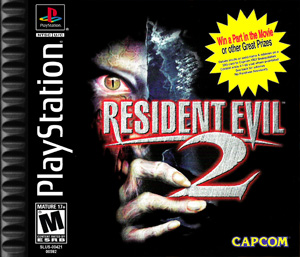
When I turned ten, my brothers figured I was old enough to start playing them, and the first one I chose was 1998’s Resident Evil 2. It was a week after my tenth birthday: I stayed up late, turned off the lights and entered the “world of survival horror,” as the game calls it. It wasn’t the start of the franchise, but the main character was a redhead like me. The first minutes of gameplay take place in the middle of a city overrun by the undead, and I died. I didn’t adapt and learn the controls fast enough, causing failure.
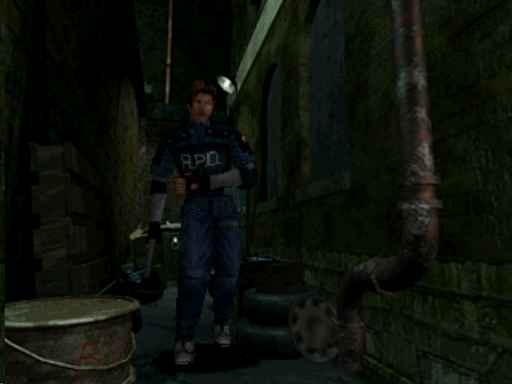
It’s not just the horror that makes Resident Evil fantastic, though. Your choices always affect you later on. Little choices, yes, but the player still has to make split-second choices that could mean the death of your character now or later on. Let’s say a player gets scared, they hear the shuffling and moaning of the undead: they fire handgun ammunition somewhere off-screen. They could completely miss their target because they couldn’t see, and now they’ve got another problem along with zombies between them and the exit: they wasted their ammunition. Everything in the game is limited: bullets, healing items, even the amount of times you can save your progress is limited. No horror movie will ever compare to being at the end of the game: the emergency alarm blaring; the countdown on your screen; the sweeping score mixed with the fear of impending detonation; only a handful of bullets in your gun, and you’re desperately limping along from your wounds.

The recent remake of Resident Evil 2 makes the sense of dread ever-present. Because the remake came out in 2019, technology is immensely more impressive than 1998. Along with the example I gave, the game barely has any lights: it usually comes from your character’s flashlight, and they added a character to give chase throughout half the game. Originally, Mr. X (the added enemy) was only in half the original game and showed up at specific points, never to return unexpectedly. In the 2019 game, he can appear anywhere, and he can’t die. He gives chase, so the player now has to worry about lights not working, zombies, other horrific monsters, and Mr. X chasing them throughout the story.


It’s not just about horror or killing zombies, but how quickly the player can react with extremely limited resources and means of survival, while having to live with their choices. The series did have a less-scary, more action-focused phase in its life, but after fan feedback, Capcom decided to listen and return the series to survival-horror. The story of the franchise is just dumb fun: there are double-crosses everywhere and the “main villain” has died three times (once in a volcano,) but I can let the plot slide as long as the game is fun; which these games are, but they also have the challenge that attracts both horror fans and strategists alike. Especially when the final results screen comes up after the credits: a player in their target audience will always want to try to perfect their run.
 Burnsy's Blog